
Click on the Edit Content button to edit/add the content.

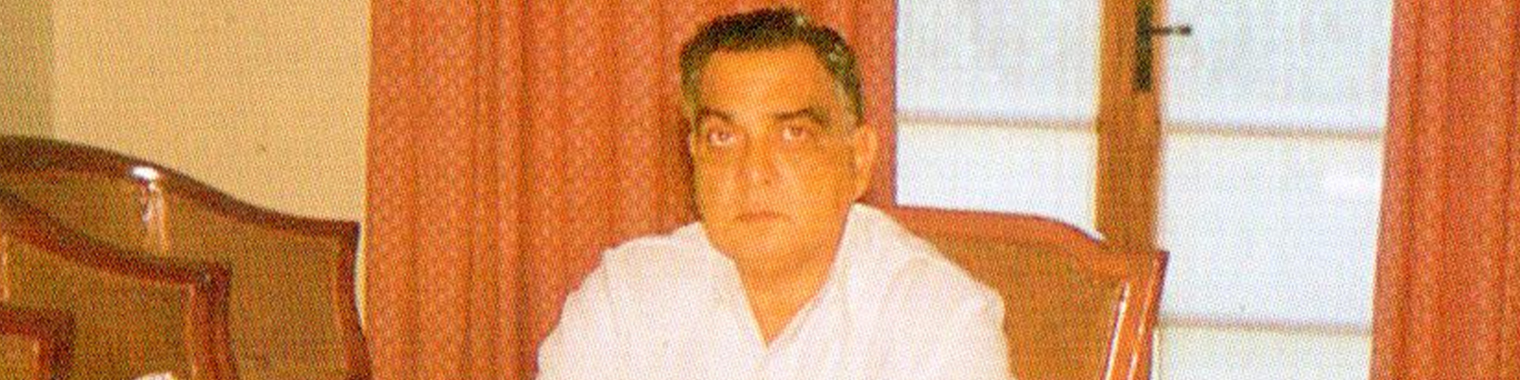
In the intricate tapestry of Pakistan’s history, Iskander Mirza emerges as a complex and controversial figure whose impact remains a subject of debate. His unpublished memoir, a recent focal point, reveals pivotal moments in his multifaceted roles as the fourth governor-general and the first president of Pakistan. Noteworthy is his strategic acquisition of Gwadar, a move resonating in today’s geopolitics. Mirza’s diplomatic acumen shines as he insisted on Gwadar’s transfer for Pakistan’s Commonwealth status.
“The truth was a mirror in the hands of God. It fell from the sky, and broke into pieces. Everybody took a piece of it, and they looked at it and thought they had the truth.”            
Mevlânâ Jalāl ad-Dīn Muhammad Rūmī
Turning to Mirza's hitherto unpublished memoir, much of his musings would interest historians. These include his thoughts on Muhammad Ali Jinnah, Kashmir, the Pakistani Constitution 1956, and the direction a nascent Pakistan would take immediately after independence. Mirza was unconvinced about the suitability of the Westminster model of government for his country, preferring instead a presidential system. Forestalling any accusation that this preference arose from the fact that he had been occupying the post of President, albeit a ceremonial one, himself, he reminds readers that he had begun to advocate the presidential system from as far back as 1955, urging that what was needed was something like the American model of government, with modifications to suit the particular conditions prevailing in Pakistan.
Pakistan's fourth governor-general and first president (1956-58), Mirza, served his country in uniform and later as a bureaucrat and politician; one of his significant achievements was the priceless acquisition of Gwadar from Oman, with full support from Prime Minister Noon. Today, Gwadar is a thorn in the flesh of many countries hostile to Pakistan. The book depicts Mirza's letter to British authorities, saying Gwadar must be handed over to Pakistan if Britain wanted his country to remain in the Commonwealth.
It's rather interesting to note that many of the so-called progressive naysayers of Mirza do not hesitate in borrowing every word from Ayub Khan when it comes to placing Mirza in the doghouse of history and gladly parrot the narrative that the Field Marshall and his sycophants concocted, never failing to amuse me with their hypocrisy and judgementalism in their eternal yearning to fix Pakistan.