
Click on the Edit Content button to edit/add the content.
The memoir “Pakistan in Duty, Destiny & Death: Iskander Mirza’s Memoirs from Exile,” that has been recently published, offers a fascinating insight into Pakistan’s intricate history. Written by Syed Khawar Mehdi, the book, sheds light on Iskander Mirza’s complicated legacy, and how he influenced the country’s path. Mirza served as Pakistan’s fourth governor-general and first president, and his memoir highlights his diplomatic skills, including his strategic acquisition of Gwadar, a move with significant geopolitical implications. The book also explores his concerns about various governance strategies, interactions with key figures like Muhammad Ali Jinnah, and the historical distortions surrounding his legacy. Reviews of the book from Urdu newspapers like Roznama and Express Tribune have acknowledged the significance of Mirza’s memoirs, prompting a reevaluation of his contributions to Pakistan’s history.
"History is a cyclic poem written by time upon the memories of man. "
Percy Bysshe Shelley

یہ اقتباس پاکستان کے پہلے صدر اسکندر مرزا کی خود نوشت سے ہے جو  مندرجہ بالا عنوان سے حال ہی میں کراچی سے شائع ہوئی ہے۔ اس خود نوشت کے دیباچے میں سید خاور مہدی نے لکھا ہے کہ وفات سے ایک سال پہلے اسکندر مرزا نے جنرل یحییٰ خان سے درخواست کی تھی کہ انہیں پاکستان واپس آنے کی اجازت دی جائے مگر یحییٰ خان نے انکار کر دیا۔ بعد میں اسکندر مرزا کی بیٹی تاج امام نے بھی کوشش کی مگر کامیاب نہ ہوئی۔ اسکندر مرزا کی تدفین تہران میں ہوئی جہاں شاہ ایران کی حکومت نے پورے ملٹری پروٹوکول کے ساتھ سرکاری سطح پر تدفین کی۔ یہ خود نوشت جو اس سال (2023ء) میں شائع ہوئی ہے ، نصف صدی  سے زیادہ اخفا میں رہی۔ یوں یہ جتنی پرانی ہے اتنی ہی نئی ہے ۔ تاریخ پاکستان کے طالب علموں کو یہ کتاب ضرور پڑھنی چاہیے کیونکہ اسکندر مرزا کے خلاف زیادہ تر یکطرفہ پروپیگنڈا ہی پیش منظر پر رہا۔ اسکندر مرزا کو نکالنے والے جنرل ایوب خان ایک عشرے تک سیاہ و سفید کے مالک رہے۔ اس دور میں اسکندر مرزا کی بات کون سنتا ؟ اب جب اسکندر مرزا کا موقف تفصیل سے سامنے آیا ہے تو غیر جانبدار مؤرخین کا فرض ہے کہ تاریخ کا یہ افسوسناک باب از سر نو لکھیں ۔ 
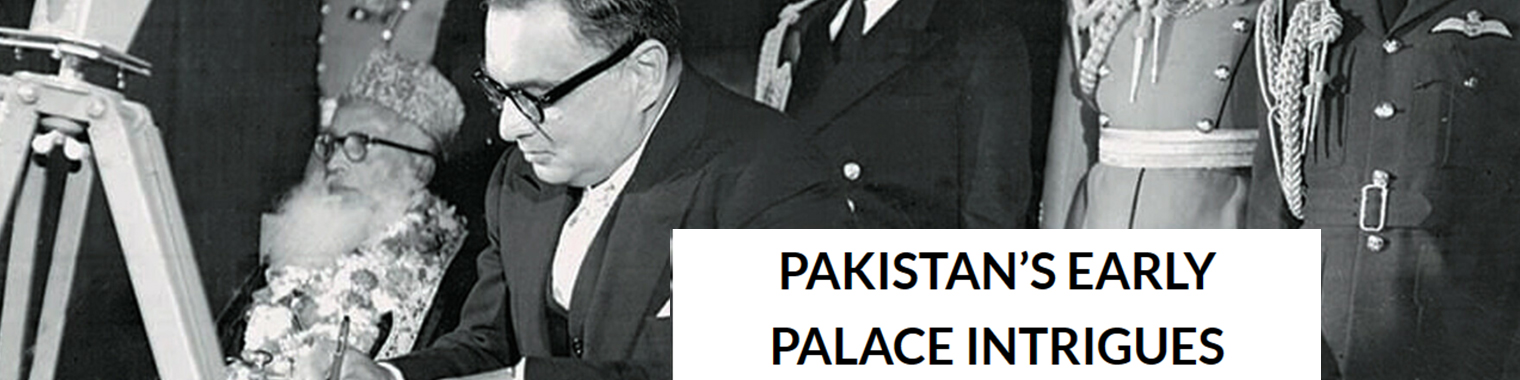
However, as 2023 draws to a close, it is doubtful that the politics of the 1950s would be of great concern to anyone now. Since then, successive governments have made such a hash of national affairs that it is futile to point fingers or hurl accusations. We have our own set of crooks at the helm today, and all people want now is to sort things out. It no longer matters who destroyed us; what matters is that we find a way to get up and move forward. Mirza comes across as a reasonably decent man, though. His memoirs have some 'savior' vibes, but that's part and parcel of any political autobiography. He admits to his shortcomings - "All I did was to waste a considerable amount of time and money," he is comfortable giving credit where due. His dismay at the souring of relations with his friend of 25 years, Gen Ayub Khan, is palpable.